
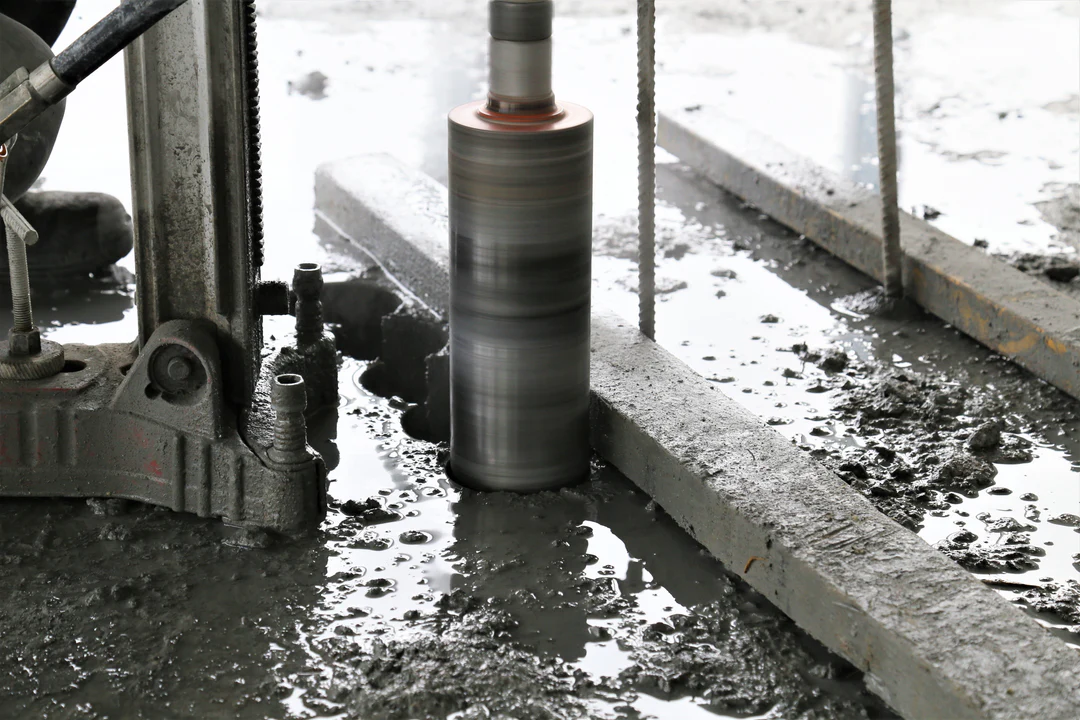
Construction and renovation projects often require precise holes in concrete walls, floors, and ceilings. Creating those openings without cracking or damaging the surrounding structure is not easy. That’s where core cutting comes in.
Core cutting is a professional drilling technique used to create clean, circular holes in hard materials such as concrete, reinforced concrete, brick, asphalt, and stone. It is widely used in residential, commercial, and industrial construction projects because of its accuracy, safety, and efficiency.
In this detailed guide, we’ll explain what core cutting is, how it works, its types, applications, benefits, and why it is preferred over traditional drilling methods.
What Is Core Cutting?
Core cutting (also known as core drilling) is a specialized process that involves using a diamond-tipped drill bit to remove a cylindrical section from a solid surface. Unlike traditional drilling methods that break material apart using hammering action, core cutting uses a smooth rotational motion to grind through tough materials.
The result is a perfectly round hole with minimal vibration and almost no structural damage.
This method is especially useful when working with:
- Reinforced concrete
- Thick concrete slabs
- Brick and masonry
- Asphalt surfaces
- Stone structures
The removed cylindrical piece is called a “core sample,” which can also be used for structural strength testing.
How Does Core Cutting Work?
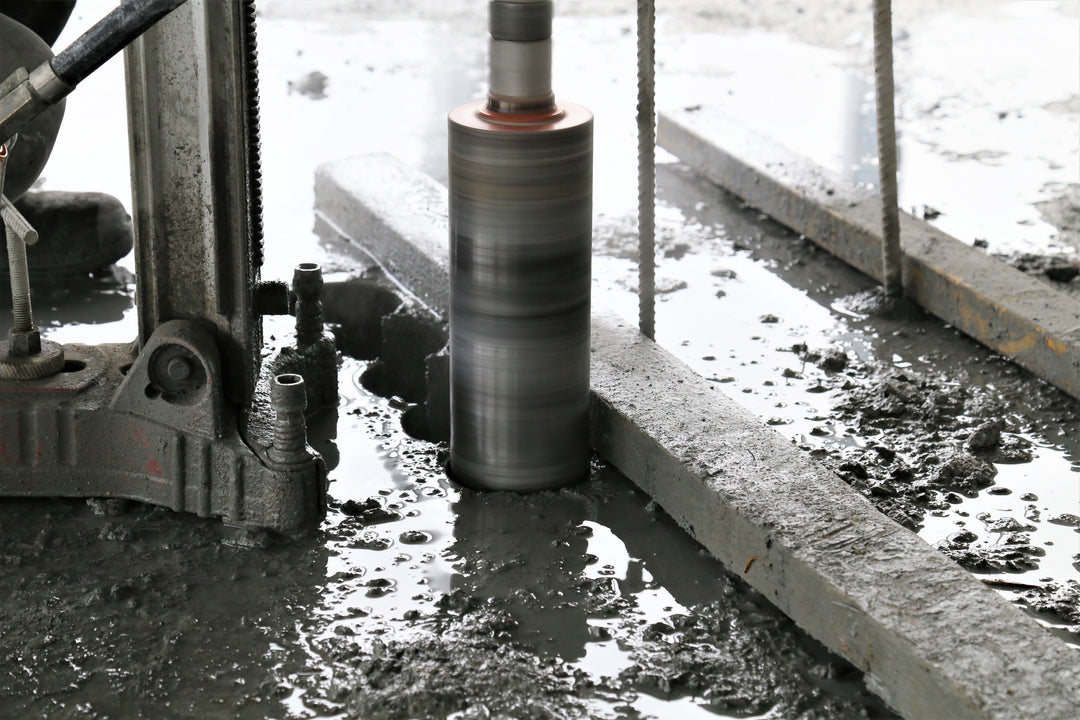
Understanding how core cutting works helps you appreciate its precision and efficiency. Here’s a step-by-step breakdown:
1. Site Inspection and Marking
Before starting core cutting, professionals inspect the area to check for hidden electrical wires, pipes, or structural reinforcements. The exact location and size of the hole are marked carefully.
2. Machine Setup
The core drill machine is securely mounted using the following:
- Anchor bolts
- Vacuum bases
- Drill stands
Proper setup ensures stability and accuracy during the core cutting process.
3. Diamond-Tipped Core Bit Rotation
The key component of core cutting is the diamond-tipped drill bit. Diamonds are extremely hard, allowing the drill to cut through:
- Concrete
- Steel reinforcement bars (rebar)
- Asphalt
- Stone
Instead of hammering, the drill rotates at high speed and grinds the material smoothly.
4. Wet or Dry Drilling Method
There are two main techniques used in core cutting:
Wet Core Cutting
Water is supplied continuously to cool the drill bit and reduce dust. This method increases tool life and provides cleaner results.
Dry Core Cutting
Used when water cannot be applied. It produces more dust and requires proper ventilation.
5. Core Removal
Once drilling is complete, the cylindrical core piece is removed, leaving behind a smooth and precise circular opening.
Types of Core Cutting Machines
Different projects require different types of core cutting machines.
1. Handheld Core Drill
- Lightweight and portable
- Suitable for small-diameter holes
- Ideal for home renovations
2. Rig-Mounted Core Drill
- Heavy-duty machine
- Mounted on a stand for stability
- Used for larger and deeper holes
3. Hydraulic Core Drill
- Extremely powerful
- Used in large-scale construction and infrastructure projects
- Suitable for thick reinforced concrete
Each type of core cutting equipment is designed for specific tasks, ensuring precision and efficiency.
Applications of Core Cutting
Core cutting plays a vital role in modern construction and engineering projects. Here are its major applications:
1. Plumbing Installations
Creating holes for:
- Water pipes
- Drainage systems
- Sewer lines
2. Electrical Work
Used for installing:
- Cable trays
- Electrical conduits
- Wiring systems
3. HVAC Installation
Helps create openings for:
- Air conditioning ducts
- Ventilation pipes
- Exhaust systems
4. Structural Testing
Engineers use core cutting to extract concrete samples for:
- Strength testing
- Quality assessment
- Structural evaluation
5. Road and Infrastructure Projects
- Asphalt core testing
- Utility line installation
- Bridge maintenance
Without core cutting, many modern construction tasks would be difficult and unsafe.
Benefits of Core Cutting
There are several reasons why professionals prefer core cutting over traditional drilling methods:
✔ High Precision
Produces accurate circular holes with clean edges.
✔ Minimal Structural Damage
Low vibration reduces the risk of cracks in the surrounding concrete.
✔ Versatility
Works on different materials, including reinforced concrete.
✔ Smooth Finish
Leaves a professional and neat appearance.
✔ Time Efficient
Faster and more effective compared to conventional drilling.
These advantages make core cutting an essential service in construction projects.
Core Cutting vs Traditional Drilling
Understanding the difference between core cutting and traditional drilling helps highlight its importance.
| Feature | Core Cutting | Traditional Drilling |
|---|---|---|
| Precision | Very High | Moderate |
| Vibration | Low | High |
| Structural Risk | Minimal | Higher |
| Suitable for Rebar | Yes | Limited |
| Finish Quality | Smooth | Rough |
Traditional drilling uses impact force, which can cause cracks and weaken structures. In contrast, core cutting ensures controlled and safe material removal.
Safety Measures in Core Cutting
Although core cutting is efficient, safety is crucial during the process. Professionals follow strict precautions such as:
- Wearing protective gear (gloves, helmets, goggles)
- Checking for hidden utility lines
- Using proper machine anchoring
- Controlling dust and debris
- Ensuring trained operators handle the equipment
Improper core cutting can compromise structural stability, so experienced technicians should always perform the task.
Why Hire Professionals for Core Cutting?
While some small projects may use handheld drills, large-scale core cutting requires expertise and proper equipment. Professional services offer:
- Accurate hole placement
- Proper structural assessment
- Safe execution
- Compliance with building regulations
- Clean and damage-free results
Hiring experts ensures that the core cutting process does not affect the building’s integrity.
Conclusion
In today’s construction industry, core cutting is an essential technique for creating precise, circular openings in concrete and other hard materials. By using diamond-tipped drill bits and advanced equipment, core cutting provides smooth, accurate results with minimal vibration and structural damage.
Whether it’s for plumbing, electrical installations, HVAC systems, road projects, or structural testing, core cutting offers a reliable and professional solution. Its precision, safety, and efficiency make it superior to traditional drilling methods.
If you are planning any construction or renovation work that involves drilling into concrete, choosing professional core cutting services ensures durability, safety, and long-term structural integrity.
![Read more about the article What Is Core Cutting and How Does It Work? – Duplicate – [#119]](https://www.skenterprisesgroups.in/wp-content/uploads/2026/02/core-cutting-300x200.webp)